

Why CompTIA Network+ N10-009 Feels Harder Than Security+ in 2026
It’s funny how many IT pros walk into Network+ after clearing Security+, thinking it’s going to be a “walk in the park.” They’ve already handled risk frameworks, policies, and high-level security principles, so how different could a network cert really be? Then reality hits. Practice tests might give you a sense of ease, but when you see PBQs, troubleshooting multi-step network failures, and CLI outputs under a ticking clock, your confidence suddenly feels like a distant memory. The real problem isn’t just that the exam is “harder.” It’s that enterprise networks themselves have changed—and CompTIA is reflecting that in N10-009.
⚠️ The Real Reason N10-009 Feels Harder in 2026
I’ve observed this for years: the gap between what a candidate expects from Network+ and what they encounter on exam day has grown dramatically. Network+ used to be about understanding basic network concepts: IP addressing, topologies, and a sprinkle of protocols. Now, it’s evolving alongside the networks it tests. Enterprise setups aren’t just a couple of switches connected to routers anymore—they’re hybrid, segmented, and deeply intertwined with cloud infrastructure.
Modern Enterprise Networks Are Complex
Consider SD-WAN, hybrid infrastructures, and zero trust models. These aren’t theoretical—they’re daily operational realities for network admins. Candidates are now expected to reason about network segmentation, cloud connectivity, and secure access models. That’s a big leap from memorizing OSI layers or routing table functions.
CompTIA’s Shift in Exam Focus
CompTIA is no longer just measuring if you can recall facts. N10-009 now leans heavily on real-world troubleshooting. According to CompTIA’s official blog, the update focuses on “the knowledge and skills needed to manage and troubleshoot modern enterprise networks, including emerging technologies like cloud connectivity, hybrid infrastructure, and automation.”
From Conceptual Knowledge to Real-World Application
This is why PBQs—performance-based questions—have become the real challenge. Multiple choice questions are now secondary; understanding a scenario, reading CLI outputs, and applying logic under time constraints are the skills that determine your success.
Emerging Technologies Covered
It’s no longer just routing and switching. SD-WAN deployments, hybrid workforce setups, VPN architecture, and Zero Trust policies are now fair game. Candidates aren’t just memorizing—they’re thinking like network engineers in actual corporate environments.
🔍 Why Security+ Feels More Predictable Than Network+
Security+ still plays in the conceptual sandbox. Governance, risk management, security frameworks—they’re abstract, systematic, and largely predictable. Memorize key definitions and scenarios, and most candidates can anticipate questions. Network+, by contrast, forces you to think dynamically.
Security+ Focus on Concepts
Security+ is about understanding principles. A candidate can predict that a question on risk management will involve frameworks like NIST or ISO. There’s structure and clarity.
Governance, Risk, and Compliance
Frameworks and policies are neat, digestible packages. Candidates often report feeling “in control” while studying Security+, because the answers follow a logical, almost textbook flow.
Security Frameworks
Knowing risk frameworks, threat categories, and mitigation steps is largely a cognitive task. Logical reasoning is involved, but not in a time-pressured, scenario-driven way.
Network+ Focus on Troubleshooting
Network+ challenges you with real-time thinking. Troubleshooting isn’t just “pick the correct protocol”—it’s about understanding outputs, identifying misconfigurations, and predicting network behavior.
CLI Commands & Protocol Behavior
Candidates frequently underestimate the stress of interpreting command-line outputs under exam conditions. A misread ping or traceroute can cascade into wrong conclusions across multiple PBQs.
Scenario-Based Thinking
Network+ tests logic and judgment rather than rote memorization. Many report thinking, “I know the theory, but I can’t see it in action quickly enough.”
🧠 PBQs Changed the Entire Exam Experience
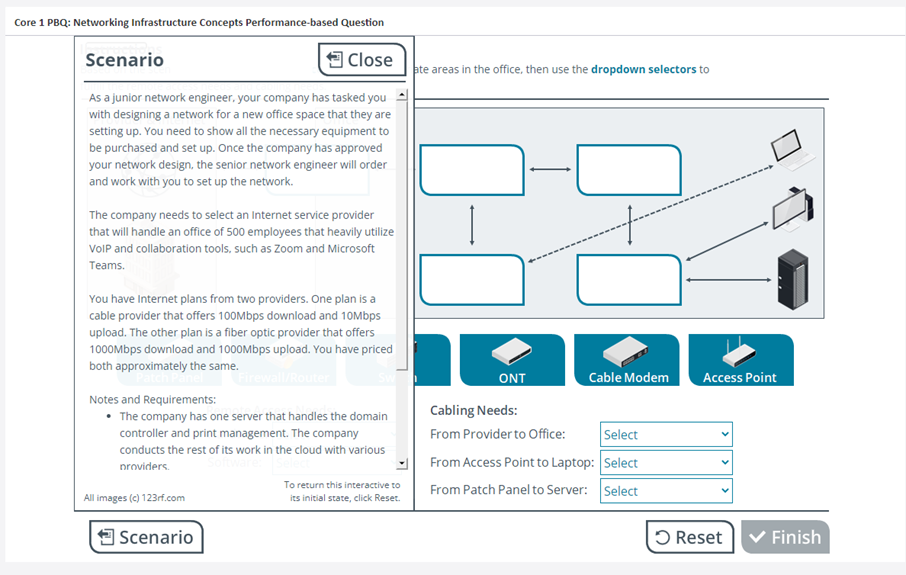
Performance-based questions are the elephant in the exam room. Unlike multiple choice, PBQs simulate real network environments. You have topologies, CLI outputs, misconfigurations, and time pressure all wrapped into one.
Time Pressure and Realistic Simulation
A PBQ isn’t just a question; it’s an exam-in-miniature. You’re evaluating network behavior, running mental simulations, and applying troubleshooting steps, often within minutes.
Multi-Step Troubleshooting Tasks
These questions are multi-layered. A single PBQ might require interpreting a routing table, checking ACL rules, and suggesting a fix. This layering reflects real-world network troubleshooting, which is far more nuanced than anything Security+ demands.
Psychological Impact on Candidates
From forums and Reddit threads, candidates consistently report that PBQs are “mentally exhausting” and “the main source of exam anxiety.” It’s one thing to recall a concept; it’s another to apply it logically under time pressure.
🌐 N10-009 Is Quietly Becoming an Infrastructure Certification
Enterprise networks now integrate cloud networking, secure access, hybrid workforce setups, and network segmentation. Network+ has quietly shifted from a basic networking credential to a foundational infrastructure certification.
Cloud Networking Basics
Candidates are now expected to understand how cloud services interact with on-prem networks. VPNs, hybrid connectivity, and SaaS traffic management aren’t optional knowledge—they’re core exam topics.
VPN Architecture and Secure Access
With remote work normalization, VPN design and secure access policies are now essential. Understanding authentication flows, traffic segmentation, and endpoint security is tested in real scenarios.
Hybrid Workforce and Network Segmentation
Segmented networks, VLANs, and micro-segmentation reflect real enterprise practices. Network+ now measures a candidate’s ability to logically analyze these environments, not just memorize topologies.
Relation to Other CompTIA Certifications
Security+, Cloud+, Linux+, and Server+ complement Network+ in modern job postings. IT teams increasingly expect junior staff to have a hybrid skill set rather than siloed knowledge.
📉 The Biggest Mistake Candidates Still Make
The largest misstep? Treating N10-009 as a “beginner network exam.”
Misjudging Exam Difficulty
Many assume that clearing Security+ equals preparedness. Reality: understanding risk frameworks doesn’t translate to reading a misconfigured routing table.
Underestimating Subnetting & CLI Complexity
Subnetting anxiety is real. Pair that with unfamiliar CLI outputs and protocol behavior analysis, and candidates feel blindsided.
Ignoring Enterprise Scenario Thinking
Many fail to connect exam tasks to real enterprise network behavior, leading to misinterpretation of PBQs and scenario-based questions.
📚 What Serious Candidates Are Doing Differently
Top performers don’t just memorize—they experience networks.
Using Practice Labs & Topology Walkthroughs
Hands-on practice simulates real PBQs. Virtual labs let candidates manipulate devices and see consequences in real-time.
Scenario-Based Question Preparation
Candidates use scenario-driven prep to build mental models of enterprise environments. This develops intuition for misconfigurations and logical troubleshooting.
Building PBQ Endurance and Logical Thinking
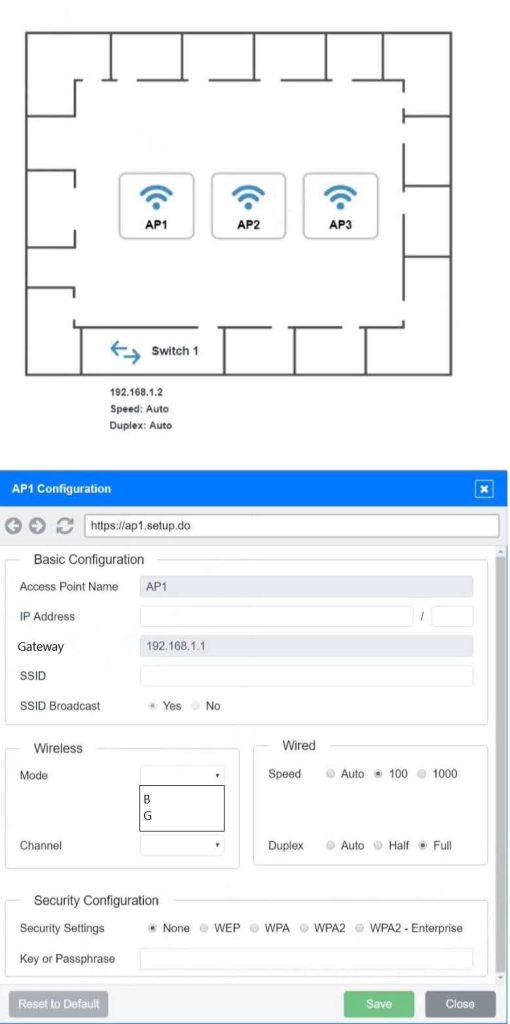
source:passapply practice matetials
Some learners integrate passapply-style resources to get accustomed to PBQ formats, enhancing speed, focus, and analytical endurance.
🚀 Is Network+ Still Worth It in the AI and Cloud Era?
Absolutely. AI may optimize tasks, but network fundamentals remain non-negotiable. Cloud networking, Zero Trust, and hybrid environments require strong foundational knowledge.
AI and Cloud Don’t Replace Network Fundamentals
AI can detect anomalies, but interpreting subnetting, ACLs, and routing logic still requires human reasoning.
Zero Trust Reliance on Network Knowledge
Network segmentation, secure access, and traffic management are core to Zero Trust, making Network+ highly relevant.
Evolution of Network Administrator Roles
Network admins now straddle security, cloud, and infrastructure, making Network+ a key stepping stone for career growth in 2026.
📊 Expectation vs Reality of N10-009
| Expectation | Reality |
|---|---|
| Basic networking review | Enterprise scenario troubleshooting |
| Memorization of concepts | Real-time problem-solving |
| Easy time management | Multi-step PBQs under strict time |
| Purely theoretical | Hands-on logic and CLI interpretation |
🔧 Why Candidates Struggle With Troubleshooting
CLI Output Interpretation
Reading command outputs quickly and correctly under pressure is a frequent hurdle.
Protocol Behavior Analysis
Understanding how protocols interact in layered networks is tested subtly but heavily.
Multi-Step Problem Solving
PBQs often chain issues—one misstep can derail the entire solution.
💡 Lessons from Real Candidates’ Experiences
Candidates across Reddit and Discord emphasize mental preparation:
- Expect PBQs to dominate time management.
- Scenario exposure builds confidence faster than rote memorization.
- Emotional endurance matters—panic slows logical thinking.
📈 How Enterprise Network Evolution Impacts Certification
Hybrid infrastructures, SaaS traffic patterns, and converged security-network operations have reshaped exam expectations. Network+ now measures readiness for the modern IT infrastructure, bridging entry-level knowledge and professional applicability.
Final Industry Takeaway
The true story isn’t that Network+ is “harder” than Security+. It’s that CompTIA expects even entry-level candidates to understand modern enterprise networks holistically. For many, this realization is the first taste of real professional pressure—and it’s a wake-up call that learning networks goes beyond memorization. In 2026, passing Network+ isn’t just a certification milestone; it’s evidence of practical readiness for today’s evolving IT infrastructure.
FAQs
1. Is Network+ harder than Security+?
Not inherently—it’s about skill application versus concept recall. Network+ demands troubleshooting and scenario thinking, which feels tougher in practice.
2. Why are PBQs so challenging?
PBQs simulate real network environments with multi-step problems, requiring logical reasoning and CLI interpretation under time constraints.
3. Do I need labs to pass N10-009?
While not mandatory, hands-on labs drastically improve comprehension of network behavior and PBQ readiness.
4. Has Network+ shifted from an entry-level exam?
Yes, it now tests practical infrastructure skills aligned with modern enterprise environments, making it more than a traditional beginner cert.
5. Is Network+ still relevant in a cloud-first, AI-driven world?
Absolutely. Cloud and AI rely on underlying network structures, security, and traffic management, keeping Network+ highly valuable.